Books
A curated library of books about artificial intelligence in K–12 education — discovered from the field, summarized by Claude, and updated automatically as new titles emerge.

Co-Existence: The Next Phase of AI
Ethan Mollick
2026
Written by Ethan Mollick, a leading thinker on AI and its practical implications, this book explores the next stage of human coexistence with artificial intelligence. Following his well-regarded 'Co-Intelligence,' Mollick examines how society, work, and human thinking must adapt as AI becomes more deeply embedded in everyday life. The book is relevant to educators because it addresses the broader societal shifts that schools must prepare students for, offering a framework for understanding AI not as a distant technology but as a present reality shaping human experience.
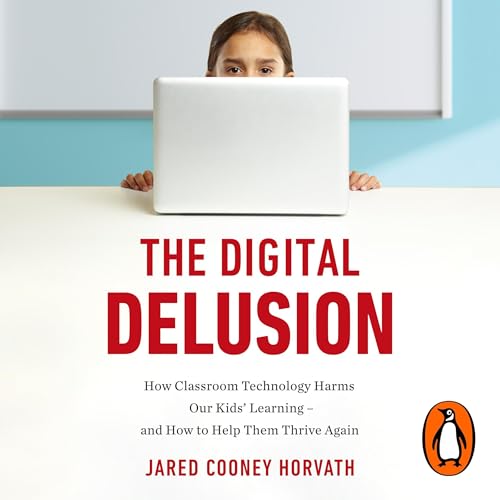
The Digital Delusion: How Classroom Technology Harms Our Kids' Learning--and How to Help Them Thrive Again
Jared Cooney Horvath
2026
This book critically examines the widespread adoption of digital technology in K–12 classrooms, arguing that screens and digital tools often harm rather than help student learning. Drawing on learning science and neuroscience, Horvath challenges assumptions about edtech's benefits and offers evidence-based alternatives for educators. The updated edition is particularly relevant for educators grappling with AI tools in schools, as it provides a research-grounded counterpoint to uncritical technology adoption. It is aimed at teachers, administrators, and parents seeking to understand how technology affects attention, memory, and academic achievement in children.

Coding Kids: Big Tech's Battle to Remake Public Schools
Natasha Singer
2026
Coding Kids: Big Tech's Battle to Remake Public Schools by Natasha Singer investigates how major technology companies are embedding themselves into K–12 education by supplying classroom devices, software platforms, and AI-powered tools—while simultaneously promoting their own corporate-branded curricula. The book critically examines the motivations behind Big Tech's educational philanthropy and product placement, raising questions about data privacy, commercial influence on public institutions, and whose interests are truly being served. Singer, a technology reporter for The New York Times, draws on extensive reporting to reveal how these corporate partnerships are reshaping what and how students learn. The book is essential reading for educators, administrators, and policymakers who want to think critically about the role of technology companies—and their AI tools in particular—in shaping the future of public schooling.
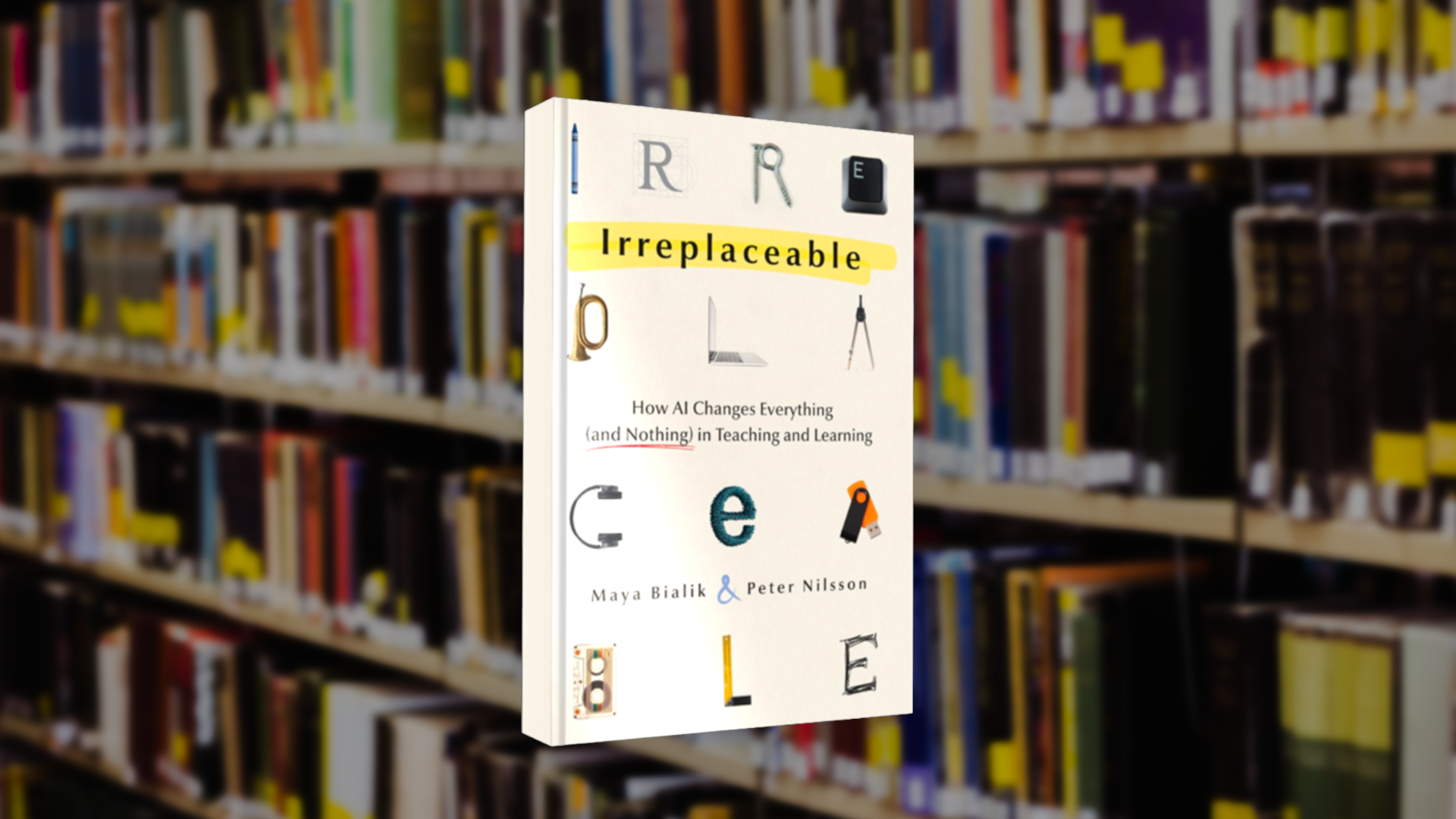
Irreplaceable: How AI Changes Everything (and Nothing) in Teaching and Learning
Maya Bialik, Peter Nilsson
2026
Irreplaceable explores the tension between AI's transformative potential and the enduring, irreplaceable elements of human teaching and learning. Authors Maya Bialik and Peter Nilsson argue that while AI is reshaping educational tools, workflows, and possibilities, the core human relationships and developmental experiences at the heart of education remain fundamentally unchanged. The book provides educators with a framework for discerning which aspects of their practice AI can enhance versus which must remain deeply human. It serves as both a philosophical grounding and a practical guide for teachers navigating the rapidly evolving AI landscape in K-12 settings.
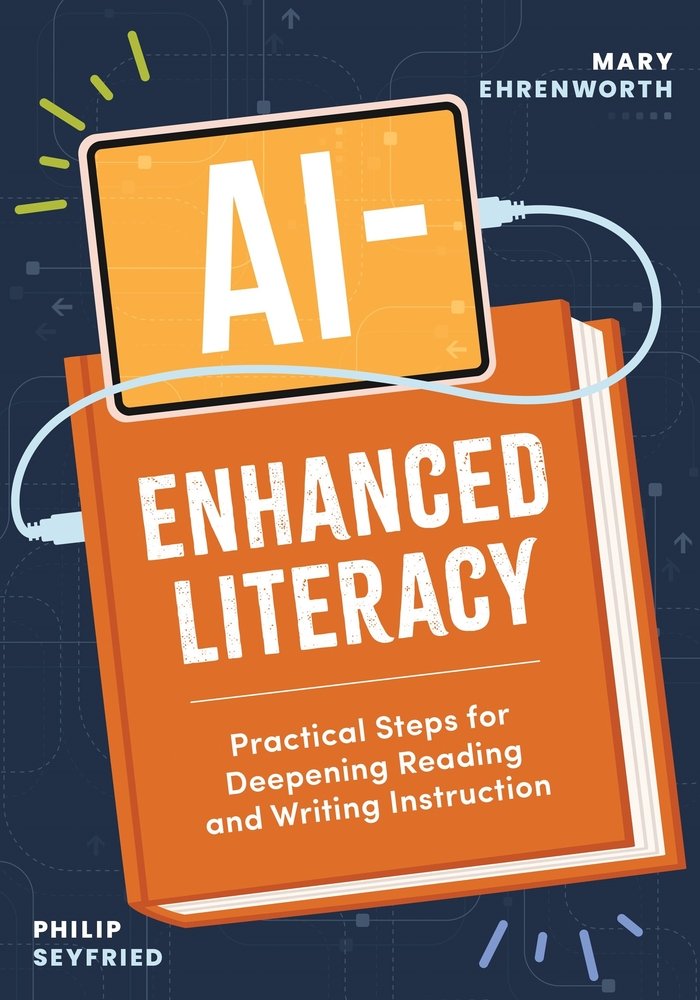
AI-Enhanced Literacy: Practical Steps for Deepening Reading and Writing Instruction
Philip Seyfried
2025
AI-Enhanced Literacy: Practical Steps for Deepening Reading and Writing Instruction by Philip Seyfried explores the complex relationship between artificial intelligence tools and literacy education, guiding teachers toward thoughtful, critical, and ethical integration of AI in reading and writing instruction. The book acknowledges that AI tools carry both opportunities and risks for developing genuine literacy skills, and provides practical frameworks for helping students engage with these tools meaningfully rather than superficially. It is aimed at K–12 educators seeking concrete strategies to enhance—rather than undermine—authentic literacy development in an AI-saturated world. The work is particularly timely as schools grapple with questions of academic integrity, student agency, and what it means to read and write in an age of generative AI.

Classroom 2.0: Integrating AI into Modern Education: Redefining Teaching and Learning in the Age of Artificial Intelligence
Abhijeet Sarkar
2025
Classroom 2.0: Integrating AI into Modern Education by Abhijeet Sarkar examines how artificial intelligence is transforming teaching and learning across K–12 and broader educational settings. The book explores practical strategies for educators to incorporate AI tools into their classrooms, redefining traditional pedagogical approaches for the modern age. It addresses both the opportunities and challenges that come with AI adoption in schools, making it relevant for teachers, administrators, and curriculum designers looking to future-proof their practice. By framing AI not as a distant possibility but as a present reality, Sarkar equips educators with the mindset and methods needed to navigate this technological shift effectively.
Back-To-School AI Guide 2024/25: 46 Steps & Tools For Educators Exploring Artificial Intelligence
Dan FitzPatrick
2024
Back-To-School AI Guide 2024/25 by Dan FitzPatrick is a practical, step-by-step resource designed to help K–12 educators navigate the rapidly evolving landscape of artificial intelligence in the classroom. Organized around 46 concrete steps and tools, the book moves beyond theoretical discussion to offer actionable guidance that classroom teachers can apply immediately. It addresses the real-world question of how AI is reshaping education and equips educators with the knowledge and strategies needed to integrate AI meaningfully and responsibly. The guide is especially valuable for teachers who are just beginning to explore AI as well as those looking to deepen their existing practice.

EdTech Essentials: 12 Strategies for Every Classroom in the Age of AI, 2nd Edition
Monica Burns
2024 · ASCD
EdTech Essentials: 12 Strategies for Every Classroom in the Age of AI (2nd Edition) by Monica Burns is an accessible, practical guide that equips educators with twelve foundational digital skills and strategies applicable across all learning environments. Updated for the AI era, the book addresses how teachers can help students navigate online spaces, curate resources, and develop essential competencies in an increasingly AI-driven educational landscape. It is aimed at K–12 educators of all experience levels who want to integrate technology meaningfully and responsibly into their practice. The book matters because it bridges general EdTech best practices with the emerging realities of AI in schools, offering concrete, classroom-ready guidance rather than abstract theory.
The Promises and Perils of AI in Education: Ethics and Equity Have Entered The Chat
Ken Shelton
2024
The Promises and Perils of AI in Education: Ethics and Equity Have Entered The Chat by Ken Shelton examines the transformative potential of artificial intelligence in K–12 and broader educational settings, exploring benefits such as personalized learning, increased student engagement, and streamlined administrative workflows. At the same time, the book takes a critical lens to the ethical and equity-related risks that accompany AI adoption, asking educators to consider who benefits, who is harmed, and whose voices are centered in these technological shifts. Shelton, a well-known advocate for equity in educational technology, writes for teachers, administrators, and instructional leaders who want to engage with AI thoughtfully rather than uncritically. The book serves as both an accessible introduction to AI's role in education and a call to action for ensuring that innovation does not deepen existing disparities.
The AI Assist: Strategies for Integrating AI into the Very Human Act of Teaching
Nathan Lang-Raad
2024
The AI Assist by Nathan Lang-Raad explores practical strategies for educators to thoughtfully integrate artificial intelligence tools into their teaching practice while preserving the irreplaceable human elements of education. The book emphasizes that AI should function as a supplement to—not a substitute for—the relational and empathetic dimensions of teaching. Designed for K–12 educators and instructional leaders, it offers concrete guidance on leveraging AI to enhance efficiency and personalization without diminishing teacher agency or student connection. It matters for schools navigating the rapid adoption of AI because it centers pedagogy and human judgment as the foundation upon which any technology should be layered.
AI with Intention: Principles and Action Steps for Teachers and School Leaders
Frontier
2024 · ASCD
AI with Intention: Principles and Action Steps for Teachers and School Leaders by Tony Frontier offers a systems-oriented framework for integrating artificial intelligence thoughtfully and purposefully into K–12 schools. Drawing on his expertise in evidence-based instruction, student engagement, and strategic planning, Frontier provides educators with practical principles and concrete action steps to harness AI in ways that genuinely improve teaching and learning. The book addresses both the opportunities and the ethical considerations AI presents, helping school leaders and teachers make informed, intentional decisions rather than reactive ones. It is an essential resource for educators seeking to build school-wide capacity around AI while keeping student outcomes and academic integrity at the center.

AI Goes to School: How to Harness Artificial Intelligence in Education to Prepare Students for the Future
Micah Miner
2024
AI Goes to School by Micah Miner provides educators with a practical framework for integrating generative AI into K–12 classrooms in meaningful and responsible ways. The book addresses common challenges teachers face when navigating rapidly evolving AI tools, offering concrete strategies and guidance for real classroom application. Aimed at teachers, instructional coaches, and school leaders, it bridges the gap between AI theory and everyday teaching practice. Miner emphasizes preparing students not just to use AI, but to think critically about it as they head into an AI-shaped future.

The Anxious Generation: How the Great Rewiring of Childhood Is Causing an Epidemic of Mental Illness
Jonathan Haidt
2024 · Penguin Press
In 'The Anxious Generation,' social psychologist Jonathan Haidt argues that the rapid adoption of smartphones and social media since the early 2010s has fundamentally disrupted childhood development, contributing to a sharp rise in anxiety, depression, and other mental health challenges among adolescents. Haidt contrasts the relatively healthy 'play-based childhood' of earlier generations with today's 'phone-based childhood,' examining how constant connectivity, social comparison, and algorithmic content feeds have rewired how young people think, relate, and grow. While the book focuses primarily on smartphones and social media rather than AI specifically, it provides essential context for educators and school leaders grappling with the broader consequences of placing powerful technology in children's hands before protective norms and safeguards are in place. For anyone thinking critically about AI integration in K–12 schools, this book serves as a vital cautionary framework about unintended harms, the importance of developmentally appropriate technology use, and the urgent need for evidence-based policies.

Co-Intelligence: Living and Working with AI
Ethan Mollick
2024 · Portfolio/Penguin
In Co-Intelligence, Wharton professor Ethan Mollick provides a practical and thought-provoking guide to understanding and working alongside AI in everyday professional and creative life. Drawing on his extensive research and classroom experimentation, Mollick explores how to treat AI as a collaborative partner rather than a tool to be feared or blindly trusted, offering concrete strategies for integrating AI effectively and ethically. For educators, the book is particularly valuable in its discussion of how AI reshapes learning, productivity, and creativity, and how humans can maintain agency and critical judgment in an AI-augmented world. It matters for K–12 contexts because it helps teachers think through how to model thoughtful AI use for students and how to redesign learning experiences in an era when AI can perform many traditional academic tasks.

Brave New Words: How AI Will Revolutionize Education (and Why That's a Good Thing)
Sal Khan
2024 · Penguin Press
In Brave New Words, Khan Academy founder Sal Khan argues that artificial intelligence represents the most transformative opportunity in the history of education, with the potential to provide every student a personalized, world-class tutor akin to what only the privileged few have historically enjoyed. Drawing on his experience building Khanmigo, Khan Academy's AI-powered tutoring tool, Khan explores how AI can adapt to individual learning needs, close equity gaps, and unlock human potential at scale. The book is aimed at educators, parents, policymakers, and anyone invested in the future of learning, offering an optimistic but grounded vision of how teachers can be liberated from rote instruction to focus on mentorship, creativity, and human connection. Khan also addresses legitimate concerns around cheating, data privacy, and over-reliance on technology, making the case that thoughtful integration of AI is not something to fear but to embrace.

The Station Rotation and UDL: Elevate Tier 1 Instruction and Cultivate Learner Agency
Catlin Tucker
2023 · IMpress, LLC (Impress)
This book by Catlin Tucker explores the Station Rotation model as a framework for delivering differentiated, high-quality Tier 1 instruction that meets the diverse needs of all learners. Tucker integrates Universal Design for Learning (UDL) principles into the station rotation blended learning structure, providing educators with practical strategies to foster student agency, choice, and engagement. The book is aimed at K–12 teachers and instructional coaches seeking to move beyond one-size-fits-all teaching by designing flexible learning environments where technology-enhanced stations free up teacher time for targeted small-group instruction. For educators thinking about AI in schools, the model's emphasis on personalized pathways and data-informed differentiation offers a natural foundation for thoughtfully integrating AI-driven tools.

Artificial Intelligence and the Future of Teaching and Learning: Insights and Recommendations
Office of Educational Technology
2023 · U.S. Department of Education, Office of Educational Technology
Artificial Intelligence and the Future of Teaching and Learning: Insights and Recommendations is a policy-oriented report published by the U.S. Department of Education's Office of Educational Technology that examines the implications of AI for K–12 and higher education systems. The report explores how AI technologies can be responsibly integrated into educational settings while centering equity, student agency, and the essential role of teachers. It offers concrete recommendations for educators, school leaders, and policymakers on navigating the opportunities and risks that AI presents. The document serves as a foundational resource for anyone seeking a research-informed, governance-minded perspective on AI in education.
How to Teach AI: Weaving Strategies and Activities Into Any Content Area
Rachelle Dené Poth
2023 · International Society for Technology in Education (ISTE)
How to Teach AI: Weaving Strategies and Activities Into Any Content Area by Rachelle Dené Poth offers practical, classroom-tested guidance for educators looking to integrate artificial intelligence concepts and tools across all subject areas. Written by a practicing educator who actively teaches AI-related content, the book bridges the gap between theory and real-world application by sharing strategies grounded in current classroom experience. It is designed for K–12 teachers of any discipline who want to make AI accessible and meaningful to students without needing a deep technical background. The book matters because it empowers educators to move beyond awareness of AI and into purposeful, cross-curricular implementation.
Learn ChatGPT: The Future of Learning
A.A. Kabir
2023
Learn ChatGPT: The Future of Learning by A.A. Kabir introduces readers to the capabilities of ChatGPT as an educational tool, exploring how AI-powered platforms can transform learning through personalized tutoring, real-time feedback, and on-demand expert guidance. The book is aimed at a broad audience including students, teachers, education policymakers, and content creators, making it accessible to both technical and non-technical readers. It offers practical advice on integrating ChatGPT into everyday learning and professional development contexts. For educators considering AI adoption in schools, it serves as an accessible entry point for understanding both the opportunities and applications of conversational AI in education.

Artificial Intelligence in STEM Education: The Paradigmatic Shifts in Research, Education, and Technology
Fan Ouyang
2023 · CRC Press / Taylor & Francis
This book examines the transformative impact of artificial intelligence on STEM education, exploring paradigmatic shifts in research, pedagogy, and educational technology. Edited by Fan Ouyang, it brings together perspectives on how AI is reshaping teaching and learning within STEM disciplines at multiple educational levels, including K–12. The work addresses both the opportunities AI presents for personalized and adaptive learning as well as the challenges educators and researchers must navigate. It serves as a scholarly resource for educators, researchers, and policymakers seeking to understand and leverage AI in STEM contexts.
AI in the Classroom (Jump Start Guide)
Unknown
2023
AI in the Classroom (Jump Start Guide) is a practical, accessible guide aimed at K–12 educators looking to integrate artificial intelligence into their teaching practice. Based on the context provided and the associated author profile—likely Rachelle Dené Poth, a well-known educator and author in the EdTech space—the book offers foundational strategies and actionable entry points for teachers new to AI concepts and tools. It addresses how AI can be woven into various content areas while also touching on broader considerations such as ethics, safety, and student engagement. The guide is particularly valuable for educators seeking a concise, conference-ready resource to begin their AI journey without feeling overwhelmed.
How to Teach AI: Weaving Strategies and Activities Into Any Content Area
Rachelle
2023 · International Society for Technology in Education (ISTE)
How to Teach AI: Weaving Strategies and Activities Into Any Content Area is a practical, classroom-grounded guide written by educator Rachelle Dené Poth, who draws on her firsthand experience teaching AI concepts to K–12 students. The book provides teachers with accessible strategies and hands-on activities for integrating AI literacy across multiple subject areas, not just computer science or STEM. It emphasizes what effective, real-world AI instruction looks like today, making it especially relevant for educators who may feel uncertain about where to begin. The book matters because it meets teachers where they are, offering immediately applicable tools and frameworks to help students understand and engage critically with AI technologies shaping their world.
The AI-Powered School: A Hands-on Guide to Integrating ChatGPT and Artificial Intelligence in Schools
Gabriel Rshaid
2023
The AI-Powered School offers educators a practical, hands-on guide to integrating ChatGPT and other artificial intelligence tools into K–12 school environments. Author Gabriel Rshaid walks readers through concrete examples, strategies, and ready-to-use prompts designed to help teachers and school leaders meaningfully incorporate AI into daily instruction. The book frames AI as a disruptive yet potentially transformative force in education, emphasizing how thoughtful implementation can enhance learning rather than undermine it. It is aimed at classroom teachers, instructional coaches, and administrators who want actionable guidance rather than purely theoretical frameworks.
AI Classroom: A Teacher's Guide To Artificial Intelligence For Lesson Planning, Personalized Learning, And Redefining Education
GPT Penguin
2023
AI Classroom: A Teacher's Guide To Artificial Intelligence For Lesson Planning, Personalized Learning, And Redefining Education by GPT Penguin is a practical guide aimed at K–12 educators who want to integrate artificial intelligence and generative AI tools into their teaching practice. The book walks teachers through foundational AI concepts and then focuses on applied strategies for lesson planning, differentiating instruction, and personalizing learning experiences for students. It positions AI not as a replacement for teachers but as a powerful tool that can amplify educator effectiveness and improve student outcomes. Written in an accessible style, it is designed to equip educators at any experience level with the confidence and concrete skills needed to begin transforming their classrooms with AI.

The AI Infused Classroom
Holly Clark
2023 · ConnectEDD Publishing
The AI Infused Classroom by Holly Clark is a practical, accessible guide designed to help K–12 teachers immediately begin integrating artificial intelligence tools into their everyday instruction. Rather than focusing heavily on theory, the book emphasizes hands-on strategies, including ready-to-use activity ideas, prompt stems, and specific AI programs that educators can adopt right away. It provides just enough foundational background on AI to orient newcomers before diving into actionable classroom applications. The book is especially valuable for teachers who feel overwhelmed by AI but are eager to leverage it to enhance student learning outcomes.

AI and the Future of Education: Teaching in the Age of Artificial Intelligence
Priten Shah
2023 · Jossey-Bass
AI and the Future of Education: Teaching in the Age of Artificial Intelligence by Priten Shah offers K–12 educators a practical and accessible guide to understanding artificial intelligence and its implications for the classroom. Drawing on his Harvard M.Ed. background and expertise in educational innovation, Shah helps teachers move past fear and uncertainty to develop the knowledge and skills needed to use AI effectively. The book balances an honest examination of the challenges AI poses to education with a forward-looking emphasis on the opportunities it creates for enhancing teaching and learning. It is an essential read for educators seeking to navigate and thrive in an increasingly AI-driven educational landscape.

AI for Educators: Learning Strategies, Teacher Efficiencies, and a Vision for an Artificial Intelligence Future
Matt Miller
2023 · Ditch That Textbook
AI for Educators by Matt Miller offers K–12 teachers practical, accessible strategies for integrating artificial intelligence into their classrooms and daily workflows. Written in the approachable style Miller is known for from Ditch That Textbook, the book explores how educators can use AI tools to save time on administrative tasks, personalize student learning, and enhance instructional design. Miller also looks ahead to envision what an AI-influenced future of education could look like, helping teachers think proactively rather than reactively about the technology. The book is designed for educators at all tech comfort levels who want to harness AI's potential without losing the human heart of teaching.

The AI Classroom: The Ultimate Guide to Artificial Intelligence in Education
Dan Fitzpatrick, Amanda Fox, Brad Weinstein
2023 · TeacherGoals Publishing
The AI Classroom is a practical, educator-focused guide written by three experienced education professionals that demystifies artificial intelligence and its applications in K–12 settings. The book walks teachers through the landscape of AI tools available for classroom use, offering concrete strategies for integrating them into instruction, assessment, and everyday teaching workflows. It also addresses the broader implications of AI for how students learn, create, and develop critical thinking skills in an increasingly automated world. Written in an accessible, practitioner-friendly tone, it serves as a hands-on resource for educators at any level of technical familiarity who want to teach effectively and responsibly in the age of AI.

Teaching with AI: A Practical Guide to a New Era of Human Learning
José Antonio Bowen, C. Edward Watson
2023 · Johns Hopkins University Press
Teaching with AI: A Practical Guide to a New Era of Human Learning by José Antonio Bowen and C. Edward Watson offers educators a grounded, practical framework for integrating AI tools into their teaching practice without sacrificing the distinctly human dimensions of learning. The book helps teachers understand how generative AI works, how to use it effectively for course design, assessment, and feedback, and how to rethink pedagogy in an era when many routine tasks can be automated. Written for educators at all levels, it emphasizes that AI should augment rather than replace the relational, creative, and critical dimensions of teaching. It is essential reading for any educator grappling with how to adapt their practice thoughtfully and ethically as AI becomes increasingly present in schools and classrooms.
The Ethics of Artificial Intelligence in Education: Practices, Challenges, and Debates
Wayne Holmes
2022 · Routledge
The Ethics of Artificial Intelligence in Education examines the pressing ethical questions that arise from the growing use of AI-driven, adaptive, and data-intensive systems in educational settings ranging from K–12 schools to universities and corporate training. Authored by Wayne Holmes, a leading researcher in AI and education policy, the book surfaces challenges that have accumulated over years of AI research and deployment but have largely gone unaddressed in practice. It explores issues such as bias, surveillance, data privacy, autonomy, and accountability as they manifest in real-world EdTech contexts. The book is an essential resource for educators, policymakers, and researchers who want to engage critically and responsibly with AI tools rather than adopt them uncritically.

Power and Prediction: The Disruptive Economics of Artificial Intelligence
Ajay Agrawal, Joshua Gans, Avi Goldfarb
2022 · Harvard Business Review Press
Power and Prediction argues that artificial intelligence is fundamentally a prediction technology that dramatically lowers the cost of making predictions, and that this shift disrupts not just markets but institutions of all kinds — including schools. Authors Agrawal, Gans, and Goldfarb, all economists at the University of Toronto, explore how AI redistributes power by changing who makes decisions and how those decisions are structured, with profound implications for administrators, teachers, and policymakers. The book challenges educators and institutional leaders to rethink entrenched workflows and decision-making hierarchies that were built around the scarcity of good predictions. For school leaders and education policymakers, the book offers a rigorous economic framework for understanding why AI adoption is not merely a technical upgrade but a structural transformation that demands deliberate institutional redesign.
What the Tech?
Rachelle Dené Poth
2021 · IMPress / ConnectEDD Publishing
What the Tech? by Rachelle Dené Poth is a practical guide for K–12 educators and technology coaches exploring how to integrate emerging technologies—including artificial intelligence, augmented and virtual reality, coding, and gaming—into classroom practice. The book draws on Poth's firsthand experience teaching both Spanish and a dedicated emerging tech course to offer accessible, classroom-tested strategies for making sense of rapidly evolving digital tools. It is designed to demystify technology for educators who may feel overwhelmed, empowering them to become confident adopters and facilitators of modern learning experiences. For educators considering AI in schools, the book provides a grounded entry point into the broader ecosystem of technologies that increasingly intersect with AI-driven learning environments.
Designing Autonomous AI: A Guide for Machine Teaching
Kence Anderson
2021 · O'Reilly Media
Designing Autonomous AI: A Guide for Machine Teaching by Kence Anderson introduces readers to the concept of machine teaching, a methodology that combines classical AI techniques with deep learning and industrial control systems to build robust, real-world autonomous decision-making systems. The book emphasizes practical application over heavy theory, using concrete examples to guide practitioners through designing AI that can operate reliably in complex environments. While primarily aimed at engineers, developers, and technical practitioners building autonomous AI systems, educators and school technology leaders can benefit from understanding machine teaching principles as AI becomes more embedded in educational tools and platforms. For K–12 educators, the book offers valuable context on how autonomous AI systems are designed and trained, fostering more informed, critical conversations about AI capabilities and limitations in school settings.

Artificial Intelligence: Thinking Machines and Smart Robots with Science Activities for Kids
Angie Smibert
2021 · Nomad Press
Artificial Intelligence: Thinking Machines and Smart Robots with Science Activities for Kids by Angie Smibert is an introductory book designed to help young readers understand what artificial intelligence is, how it works, and where it appears in everyday life. The book combines accessible explanations of AI concepts with hands-on science activities that encourage curiosity and critical thinking. It is aimed at upper elementary and middle school students, making it a valuable classroom or library resource for introducing AI literacy at an early age. For educators, it offers a ready-made tool for sparking student engagement with technology, ethics, and computational thinking.

Teaching AI: Exploring New Frontiers for Learning
Michelle Zimmerman
2021 · ISTE (International Society for Technology in Education)
Teaching AI: Exploring New Frontiers for Learning by Michelle Zimmerman is a practical guide designed to help K–12 educators, technology coordinators, and teacher educators understand artificial intelligence—what it is, how it works, and how it can be integrated meaningfully into classroom practice. The book prepares teachers to equip students for a world defined by increasing human-computer interaction, blending foundational AI concepts with actionable instructional strategies. It incorporates links to media artifacts from trusted sources to create a dynamic, resource-rich learning experience that extends beyond the text itself. As AI continues to reshape society and the workforce, this book serves as an accessible entry point for educators seeking to build AI literacy in themselves and their students.

The Age of AI: And Our Human Future
Henry Kissinger, Eric Schmidt, Daniel Huttenlocher
2021 · Little, Brown and Company
The Age of AI examines how artificial intelligence is fundamentally transforming human civilization, touching on geopolitics, security, philosophy, and education. Written by a former U.S. Secretary of State, a former Google CEO, and an MIT AI researcher, the book offers a high-level, interdisciplinary perspective on the long-term societal implications of AI — including how it may reshape learning, knowledge, and human cognition. For educators and school leaders, it provides essential context for understanding why decisions made today about AI in schools are not merely technical but deeply philosophical and civic in nature. It is particularly valuable for those thinking about preparing students to navigate a world increasingly shaped by AI systems that reason and decide in ways humans may not fully understand.

Atlas of AI: Power, Politics, and the Planetary Costs of Artificial Intelligence
Kate Crawford
2021 · Yale University Press
Atlas of AI by Kate Crawford offers a sweeping critical investigation into the hidden costs and power structures underlying artificial intelligence, examining the environmental toll of data centers, the exploitative labor conditions in AI supply chains, and the political forces that shape how AI systems are built and deployed. Crawford argues that AI is not a neutral technology but a product of specific economic and political choices with real consequences for people and the planet. For educators, this book provides essential context for evaluating the AI tools being introduced into schools, helping them ask deeper questions about who benefits, who is harmed, and what values are embedded in these systems. It is a vital resource for any educator, administrator, or policymaker who wants to move beyond surface-level enthusiasm for EdTech and engage critically with the broader implications of AI adoption.
How We Learn: Why Brains Learn Better Than Any Machine . . . for Now
Stanislas Dehaene
2020 · Viking
In this accessible yet rigorous book, neuroscientist Stanislas Dehaene explores the science of how the human brain acquires knowledge, drawing on decades of cognitive neuroscience research to identify four pillars of effective learning: attention, active engagement, error feedback, and consolidation during sleep. Dehaene also traces how AI researchers have borrowed heavily from discoveries about the brain—such as reinforcement learning, neural networks, and sleep-like consolidation cycles—while demonstrating that the human brain, especially in children, remains far more flexible, efficient, and capable than any machine learning system. For educators, the book provides both a scientific grounding for evidence-based teaching practices and a clear-eyed perspective on where AI genuinely mimics human cognition and where it still falls dramatically short. It is essential reading for teachers, parents, and school leaders seeking to understand what AI can and cannot replicate in the learning process.
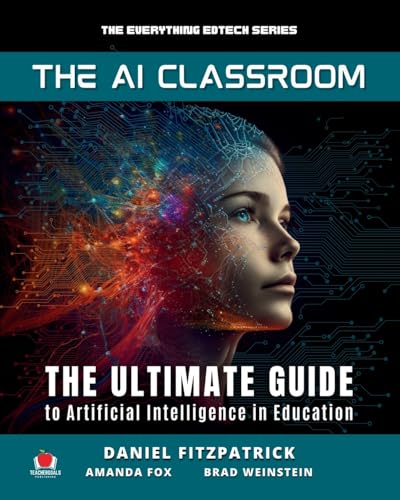
Artificial Intelligence In Education: Promises and Implications for Teaching and Learning
Charles Fadel
2019 · Center for Curriculum Redesign
Artificial Intelligence In Education: Promises and Implications for Teaching and Learning by Charles Fadel explores the transformative potential of AI technologies within K–12 and broader educational contexts, examining both the opportunities and challenges they present for teachers and learners. The book addresses how AI can personalize learning, support educators, and reshape curriculum design, while also confronting important questions about equity, ethics, and the future of human-centered teaching. It is aimed at educators, administrators, and policy makers seeking a foundational understanding of AI's role in schools. As AI becomes increasingly embedded in educational tools and platforms, this work provides a framework for thoughtful, informed adoption.

Weapons of Math Destruction: How Big Data Increases Inequality and Threatens Democracy
Cathy O'Neil
2016 · Crown Publishers
Weapons of Math Destruction by Cathy O'Neil examines how large-scale mathematical models and algorithms — despite appearing objective — often encode bias, reinforce inequality, and evade accountability. O'Neil, a mathematician and data scientist, traces how these opaque systems affect hiring, lending, policing, education, and more, disproportionately harming vulnerable populations. For educators, the book is essential for understanding how AI-driven tools used in schools — from predictive analytics to automated grading and student risk-scoring systems — can perpetuate systemic inequities rather than remedy them. It offers a compelling, accessible framework for critically evaluating the algorithmic systems increasingly embedded in K–12 education.
Teaching Students to Use AI Ethically and Responsibly
Meghan
This book guides educators in helping K–12 students develop a thoughtful and responsible approach to using artificial intelligence tools. It addresses the ethical dimensions of AI use in educational settings, including issues of bias, privacy, academic integrity, and digital citizenship. The author provides practical frameworks and classroom strategies to empower students to engage critically with AI rather than simply relying on it uncritically. It is an essential resource for teachers and school leaders seeking to prepare students for a world increasingly shaped by AI technologies.
The Artificial Intelligence Playbook
Meghan
The Artificial Intelligence Playbook by Meghan appears to be a practical guide designed to help educators navigate the integration of AI tools into K–12 classroom settings. The book likely offers actionable strategies, frameworks, and real-world examples to support teachers in understanding and responsibly using AI technologies. It is aimed at educators, instructional coaches, and school leaders who want to move beyond theory and apply AI concepts meaningfully in their schools. Given the 'playbook' format, it likely emphasizes practical implementation and step-by-step guidance over abstract discussion.
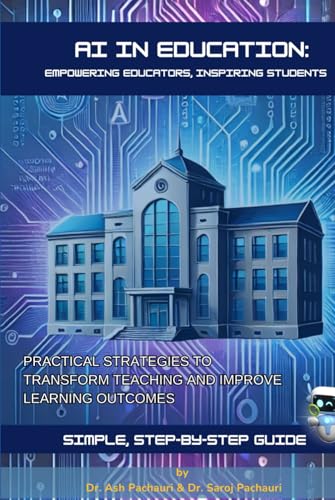
AI in Education: Empowering Educators, Inspiring Students: Practical Strategies to Transform Teaching and Improve Learning Outcomes
Ash Pachauri, Saroj Pachauri
AI in Education: Empowering Educators, Inspiring Students by Ash and Saroj Pachauri is a practical guide designed to help K–12 and broader educational community stakeholders understand and apply artificial intelligence in classroom settings. The book offers concrete strategies for educators seeking to integrate AI tools into their teaching practice to enhance instructional effectiveness and improve student learning outcomes. It frames AI not as a replacement for teachers but as a powerful enabler that can personalize learning, streamline administrative tasks, and inspire student engagement. The work is positioned as an accessible entry point for educators at various levels of technical comfort who want to navigate the evolving landscape of AI-driven education.
Artificial Intimacy: Who We Become When We Talk to Machines
Sherry Turkle
Artificial Intimacy examines how conversational AI and digital companions are reshaping human relationships, emotional development, and identity, particularly for young people. Sherry Turkle, a longtime scholar of technology and human connection, explores the psychological and social consequences of forming bonds with machines that simulate empathy and understanding without truly possessing them. The book raises urgent questions about what children and adolescents lose when AI mediates their emotional lives, and why parents and educators must pay close attention to these dynamics. For educators, it serves as a critical lens for understanding the hidden risks AI poses to students' social development, emotional resilience, and capacity for authentic human connection.
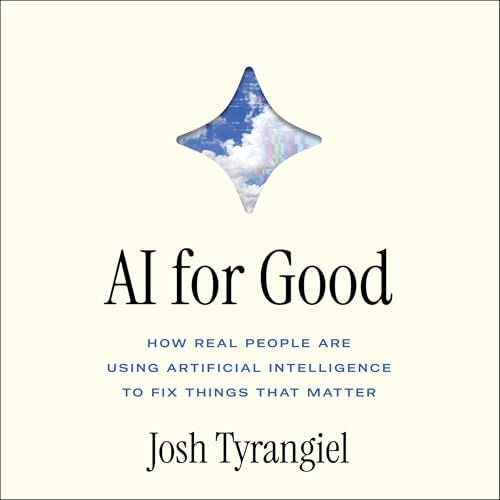
AI for Good: How Real People Are Using Artificial Intelligence to Fix Things That Matter
Josh Tyrangiel
AI for Good explores how artificial intelligence is being applied across four major industries to address real-world problems, with education serving as a central focus. The book profiles Khan Academy's partnership with OpenAI to develop an AI-powered tutoring model designed to guide students toward answers through Socratic dialogue rather than simply providing solutions—preserving the learning process while offering personalized support. It also highlights how AI tools are helping teachers reduce administrative burden by assisting with lesson plan creation. For educators and school leaders, this book offers concrete, optimistic examples of how AI can be implemented thoughtfully to enhance learning outcomes without replacing the human elements of teaching.
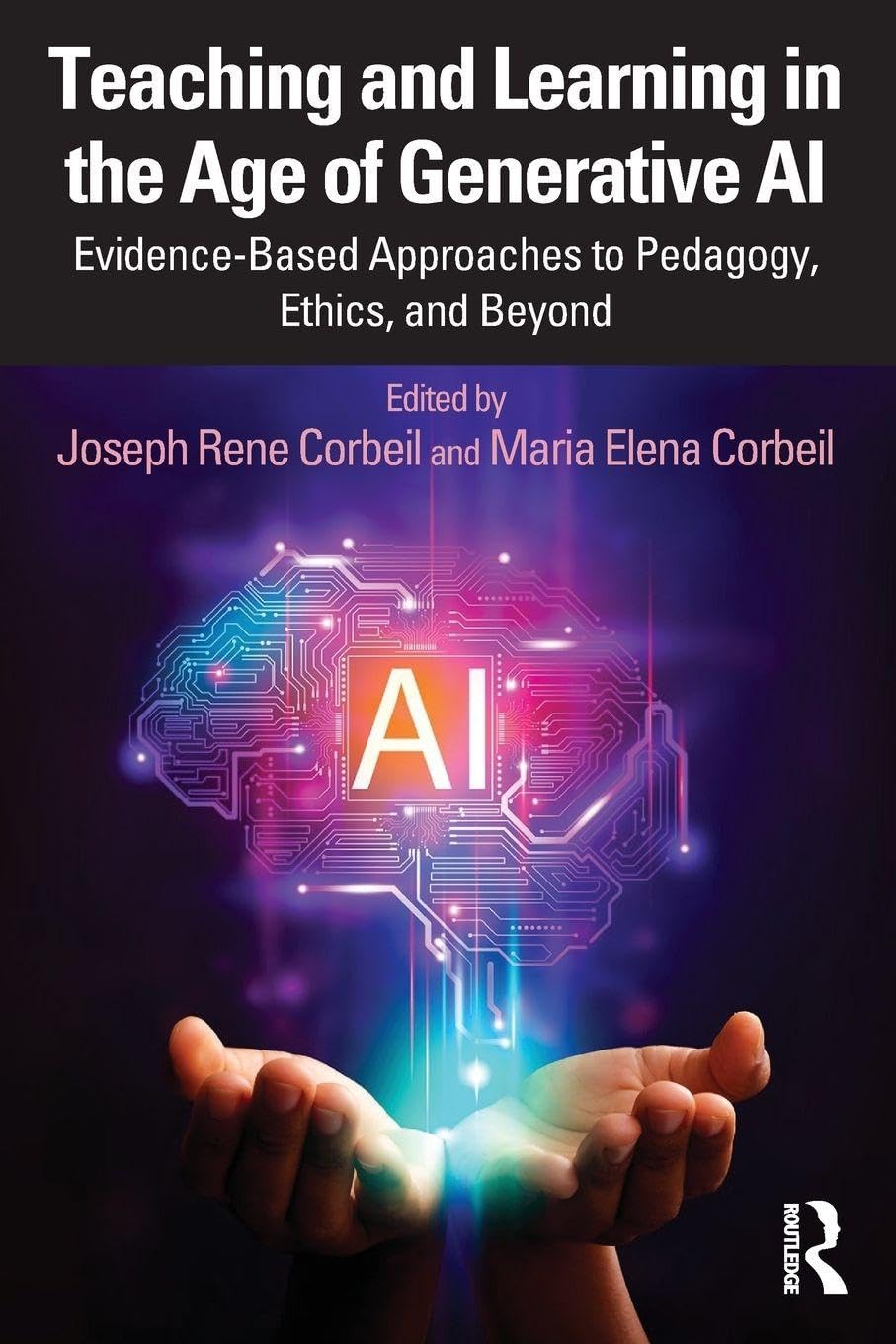
Teaching and Generative AI
Beth Buyserie (Editor)
Teaching and Generative AI is an edited collection curated by Beth Buyserie that offers teachers practical guidance and resources for navigating the opportunities and challenges that generative AI presents in educational settings. The book addresses how rapid advances in AI technology are reshaping teaching and learning, and equips educators with frameworks and strategies to respond thoughtfully. Intended for K–12 and post-secondary teachers alike, it brings together multiple contributors to explore diverse perspectives on integrating generative AI responsibly. It is a timely resource for educators seeking to understand both the promise and the complexities of teaching in an AI era.
Responsible AI & Tech Justice: A Guide for K-12 Education
Kapor
Kapor Foundation
Responsible AI & Tech Justice: A Guide for K-12 Education, produced by the Kapor Foundation, is a resource designed to help educators, administrators, and school communities critically examine artificial intelligence and technology through the lens of equity and social justice. The guide explores how AI systems can perpetuate or amplify existing biases and inequities, particularly for historically marginalized students, and provides frameworks for discussing these issues in K-12 settings. It offers practical guidance for educators seeking to integrate responsible AI literacy into their teaching while centering the experiences of underrepresented communities. The resource is especially relevant as schools grapple with the rapid adoption of AI tools and the urgent need to prepare all students to understand and critically engage with these technologies.
Teaching and Generative AI
Beth Buyserie
Teaching and Generative AI, edited by Beth Buyserie, is a collection of essays and perspectives designed to help educators navigate the rapidly evolving landscape of generative artificial intelligence in teaching and learning contexts. The book brings together multiple voices and viewpoints to explore both the opportunities and challenges that AI tools present for classroom practice. It offers practical guidance and conceptual frameworks for teachers grappling with how to adapt their pedagogy in an AI era. This resource is particularly valuable for K–12 and higher education teachers seeking thoughtful, grounded perspectives on integrating or responding to generative AI in their instructional environments.
AI Made Simple for Beginners: Discover Faster Results to Increase Productivity with Smart Problem-Solving Techniques & Hands-On Exercises to Effectively ... Beginners to Experts - Without Tech Jargon
Dawn O'Neal
AI Made Simple for Beginners by Dawn O'Neal is an accessible, jargon-free guide designed to help educators and everyday users understand and apply artificial intelligence in practical, hands-on ways. The book covers actionable strategies for integrating AI into teaching environments while preserving meaningful teacher-student relationships, making it especially relevant for K–12 educators navigating the shift toward AI-enhanced classrooms. It includes step-by-step guidance for implementing AI tools in low-budget and resource-limited school settings, ensuring equity and accessibility are central to its approach. Whether readers are complete novices or looking to deepen their existing knowledge, the book offers exercises and problem-solving techniques that build confidence and competence with AI without requiring a technical background.
Artificial Intelligence and Intelligent Tutoring Systems: Knowledge-Based Systems for Learning and Teaching
Danny Kopec
This book addresses the intersection of artificial intelligence and education, helping educators understand what AI is, how it works, and how it can be practically applied in classroom settings. Authored by Priten Shah, a Harvard M.Ed. with a background in educational innovation, the book aims to reduce anxiety around AI by equipping teachers with the knowledge and skills to embrace it confidently. It acknowledges both the opportunities and challenges AI presents for K–12 education, offering guidance on navigating them effectively. It serves as an accessible entry point for educators looking to integrate AI tools and thinking into their professional practice.

Pack Your Bags for an AI-Driven Future: Artificial Intelligence in Education
Rachael Mann
Pack Your Bags for an AI-Driven Future by Rachael Mann explores how artificial intelligence is reshaping education and what K–12 educators can do to prepare students for an AI-driven workforce. Drawing on her expertise in career and technical education, Mann blends practical classroom strategies with research-based best practices for integrating AI into teaching and learning. The book addresses the opportunities and disruptions that AI presents, offering guidance for educators on navigating this technological shift with confidence. It serves as an essential resource for teachers, administrators, and curriculum designers looking to future-proof their students' skills and readiness.